















Part null
Why We Chose this Work
One district leader explains how joining the Instructional Materials Task Force offered an opportunity for collaboration, professional development and deeper clarity on the Standards

Part null
Instructional Materials Evaluation Tool (IMET)
Designed by some of the lead writers of the Common Core, the IMET is a free tool that states and districts are using to evaluate the alignment of instructional materials to the Common Core

Part 1
New Standards, New Approach to Reviews
Details Louisiana's instructional materials review process

Part null
Searching for Aligned Materials Doesn’t Have to Be Lonely
Breaking district and state lines in the journey toward finding Common Core-aligned materials

Part null
Working Toward Alignment
Welcome to Aligned, a publication dedicated to the conversation about Common Core-aligned instructional materials

Part null
If You’re Not Purchasing, Should You Still Review?
Even though many districts are not in a position to purchase new materials in the short-term, training reviewers now is a smart long-term investment

Part 1
Knowing the Common Core = Knowing the Shifts
The Shifts are a powerful frame to help drive understanding of the Common Core

Part null
What My District Gained From Collaboration
Even when districts approach materials review processes from different perspectives – and with different objectives – collaboration provides important benefits

Part null
Top 5 Tips for Building and Training Your Review Team
Advice on selecting and training strong review teams


Part null
Building the Right Review Team
Today’s review teams will function differently than review teams of the past, requiring new skills and experience

Part null
Should We Bother with Other People’s Reviews?
As instructional materials reviews are made public, how should states and districts use that information?

Part null
When to Use the IMET
When is the right time to use the IMET? Whether you’re purchasing, supplementing, designing, or simply building capacity, the IMET can help.

Part null
How Reviewing Materials Changed My Classroom Practice
A teacher explains the unexpected connection she uncovered between materials reviews and the classroom

Part null
Reviewing Is a Journey and the Benefits Aren’t What We’d Expected
Educators from Granite Falls uncovered benefits to reviewing that they hadn’t anticipated



Part null
Introduction to the Publishers’ Criteria for ELA/Literacy
Sue Pimentel, one of the lead writers of the Common Core, introduces the Publishers’ Criteria

Part null
Lament of a Review Team Member
Conducting a review was harder than expected, but it illuminated how critical this information is for publishers

Part 1
Introduction to Open Educational Resources
What are OER? Where can you find them? How should you use them?

Part 2
Open Educational Resources in Action
Washington's work to identify OER and put them to use in classrooms

Part null
Building a Review Team that Represents Students and Supports Teachers
How Milwaukee built a review team that reflected the needs of the teachers and students

Part 2
Mathematics in the Common Core Classroom
A Kentucky teacher explains what the CCSS Math Shifts mean for classroom materials

Part 3
ELA in the Common Core Classroom
A North Carolina literacy coach explains what the CCSS ELA Shifts mean for classroom materials

Part null
Teachers Create Lessons and Adaptations to Strengthen ELA Learning
Common Core-aligned resources for popular read-alouds, basal stories, and anthology selections

Part null
Traditional Reviews vs. the IMET
What are the differences between a traditional review and an IMET review? A teacher who’s done both explains.

Part 4
Publishing Review Results
Why Louisiana chose to share all its curricular reviews online and where you can see the findings

Part 1
An Introduction to the Adapting Materials Project
The challenging, yet rewarding process of adapting instructional materials

Part 2
What Needs to Change in Instructional Materials: Math
A panel of experts met to pinpoint the biggest problems with today’s math textbooks: here’s what they found

Part null
IMET Evolution: Math
An SAP math specialist explains how small changes to the IMET can have a big impact on users

Part null
IMET Evolution: ELA/Literacy
An SAP literacy specialist explains how small changes to the IMET can have a big impact on users

Part null
Six Instructional Materials Articles You Should Be Reading
Keep up-to-date with the latest media coverage of instructional materials

Part 3
What Needs to Change in Instructional Materials: ELA
A panel of experts pinpointed the biggest problems with today’s ELA/literacy materials

Part 4
Collaborative Learning and Updating Materials
Developing a process for teachers to adapt instructional materials in mathematics

Part 3
Working Together to Create Open Educational Resources
The K-12 OER Collaborative is working to create Common Core-aligned resources

Part 4
K-12 OER Collaborative’s Request for Proposals
Learn how the Collaborative is planning on creating and vetting materials.

Part null
The EQuIP Review Process and Rubric
Achieve created a rubric and review process to facilitate peer reviews

Part null
Call for Common Core-Aligned Units
Achieve and SAP are looking for instructional materials aligned to the CCSS to address weaknesses in existing materials

Part 1
The Standards for Mathematical Practice & Instructional Materials
What to look for in instructional materials that align to the SMPs

Part null
Creating a Coherent Math Curriculum
The Coherence Map can help you uncover gaps in understanding and find resources to supplement your instructional materials.

Part null
Including Tier 2 Vocabulary Instruction in Curricular Materials
Building tier 2 vocabulary is critical to comprehending texts across content areas, yet it often receives insufficient attention in existing curriculum options. What can teachers do to fill the gap?

Part 5
Adapting Basal-Based Literacy Programs
A team of 4th grade educators adapted a Pearson Reading Street lesson to better serve their students and enhance CCSS alignment

Part 6
Outcomes of the Adaptation Process
New case studies share a look at the process of adapting math and ELA materials

Part 2
SMP 1: Make Sense of Problems & Persevere in Solving Them
Well-designed materials help students tackle challenging math problems

Part 5
Creating Full-Course Open Educational Resources (OER)
The K-12 OER Collaborative plans to create a year-long open educational resources curriculum.

Part null
Training Materials for the Math IMET
New training modules on the IMET’s Non-Negotiables and Alignment Criteria

Part null
A Publisher’s View on the Changing Instructional Materials Landscape
An interview with Anne Schreiber, Senior VP of Learning Strategies, Renaissance Learning

Part null
Choosing Wisely: A Strategic Approach to Curriculum in Duval County
An interview with Dr. Nikolai P. Vitti, Superintendent of Duval County Public Schools

Part null
Top Five Ways to Make the Most of Your Math Materials
If you’re not satisfied with the quality and CCSS-alignment of your existing math materials, here are five tips to improve them.

Part null
Top Five Ways to Improve Your Basal Reading Program
If you’re not satisfied with your current basal reading program, here are five things you can do to improve it.

Part null
Decision-Making that Matters: 10 Ways Teachers Can Impact Curricular Decisions
A high school English teacher shares 10 ways classroom teachers can influence curriculum

Part 7
Using Complex Texts with All Readers
A reading interventionist explains the strategies she uses to help struggling readers benefit from complex texts.

Part null
Why We’re Choosing Instructional Materials Blindly
A Brookings Institution report explains how much we DON’T know about instructional materials in use in today’s classrooms.

Part null
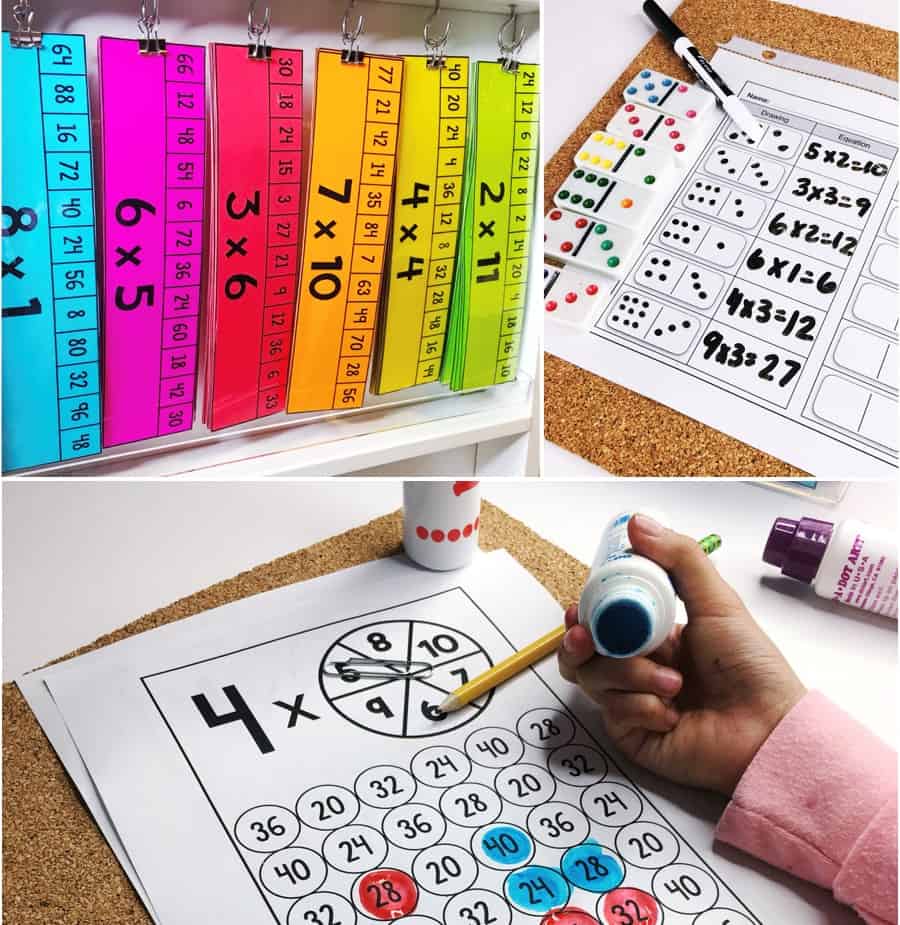
Using Flashcards in Math
CCSS author Jason Zimba shares how he uses flashcards with his daughters.

Part 8
A More Powerful Teacher’s Guide
How administrators can help teachers sort through the clutter in today’s math textbooks

Part 9
Creating a Conducive Environment for Teachers to Adapt Materials
An administrator’s guide to promoting teacher innovation

Part 10
Mathematical Knowledge for Teaching
How building specific mathematical knowledge in teachers can strengthen classroom instruction

Part 11
Supplementing Your Anchor Math Curriculum with Rich Tasks
A New York math specialist explains how he’s enhanced his school’s curriculum with tasks from Illustrative Mathematics.

Part 12
Essential Knowledge for Adapting Math Instructional Materials
What do teachers need to know to make decisions about adapting math materials?

Part 1
A Teacher’s Thoughts on the Core Knowledge Language Arts Curriculum
First grade teacher, Adrienne Williams, describes the strengths and challenges of Core Knowledge Language Arts.

Part null
Customizing the IMET PD Training for a Local Setting
A training leader explains how she customized the IMET PD training to better match the professional learning needs of her district’s educators.

Part 1
Common Confusions about CCSS-Aligned ELA Materials
Core Knowledge's Linda Bevilacqua explains where purchasers can improve their CCSS understanding to make better decisions

Part 1
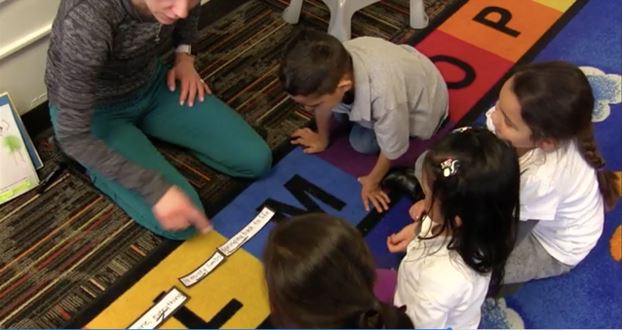
The Shifts and ELLs
An ELL expert explains what the Common Core means for teachers of English language learners

Part 2
Criteria for Curricular Materials Labeled as Appropriate for ELLs
How to determine whether instructional materials support ELL's needs

Part 3
CCSS-Aligned Materials for ELL Students
Where to Find High-Quality Curricular Materials for ELLs in the Public Domain

Part 3
Reason Abstractly and Quantitatively
A math teacher explains how well-designed materials can help students learn to deal with challenging math problems

Part 3
How Core Knowledge Supports CCSS-Aligned Instruction
Core Knowledge's approach to literacy instruction

Part 4
What to Do When Curricular Materials for ELLs Are Not Available
Where to look for additional ELL resources to support Common Core-aligned lessons

Part 5
Unlocking the Power of Aligned Materials
How the Louisiana DOE is developing PD and looking for connections to help all districts maximize the impact of standards-aligned materials

Part 4
Digging Deeper into SMP 3 – Construct Viable Arguments and Critique the Reasoning of Others
A math teacher explains how to recognize math tasks that help students craft strong mathematical arguments

Part 4
A Recommendation to Fellow Publishers
The President of Core Knowledge challenges fellow publishers to complete an alignment rubric
Part 5
Putting the Math Practices into Practice
A K-12 math team collaborated in creating tools about the practices to enhance understanding and planning

Part null
Choosing Alignment over Familiarity
How a district made the decision to select a new textbook provider instead of a long-used vendor

Part 1
Designing a Review Driven by Local Needs
How the Oakland Unified School District designed a teacher-centered materials review selection process

Part 6
Digging Deeper into SMP 4 – Model with Mathematics
Learn the difference between modeling the math and modeling WITH math


Part null
Sitting Beside the Learner: The ‘Me’ in Assessments
Common Core-aligned assessments must capitalize on teacher-student relationships

Part null
Supporting All Learners with Complex Texts
Strategies to scaffold instruction of Standards-aligned, complex texts

Part null
Lessons from the Fordham Assessment Review
One of the reviewers explains how the assessment review was conducted and what the findings mean for educators and students.

Part 2
Piloting New Curriculum Options with Educators
Learn about OUSD’s piloting process and find out what teachers thought of three popular ELA/literacy programs

Part 2
Adapting Journeys Common Core
A veteran Journeys user shares recommendations to improve basal lessons and better support teachers and students.

Part null
The Rectangle Area Formula—How Does Your Curriculum Introduce It?
Standards co-author Jason Zimba unpacks the rectangle area formula and highlights problems with the way textbooks sometimes introduce the formula to students.

Part null
Assessment Item Alignment Modules
Learn how examining assessment items can be a source of professional development and deepen your understanding of the Shifts

Part null
Supplementing Your Curriculum with Knowledge-Building Text Sets
Discover why text sets work and how to use them to build student knowledge

Part null
Four APPS to Redefine Your Language Arts Curriculum
Focusing on building a student-centered classroom through digital applications

Part null
Training Materials for the ELA/Literacy IMET
New training modules on the IMET’s Non-Negotiables and Alignment Criteria

Part null
Introduction to Argument Writing
A long-time middle school teacher and writing expert explains how to design strong writing instruction

Part null
Putting Focus into Practice: The Case of Word Problems in Grades K–2
Standards co-author Jason Zimba explains how word problems can build understanding of addition and subtraction.

Part 1
What is Reading Fluency?
Literacy experts David Liben and David Paige explain the characteristics of reading fluency
